
The Dining Table in a Second Home: A Different Brief
A table for a home you live in every day and a table for a home you visit six weeks a year are not the same specification problem, even if they look identical in a rendering.
A second home dining table gets specified, too often, exactly like a primary residence table — same material logic, same maintenance assumptions, same durability priorities. That approach misses what actually changes when a table lives somewhere the household isn't. Usage pattern, climate exposure, and maintenance access are all different, and each one should shift the specification.
Usage Pattern Changes the Calculation
A primary residence table gets used daily, which means small maintenance habits — wiping spills quickly, an occasional oil refresh — happen almost automatically. A second home table sits empty for weeks or months at a time, then gets heavy, concentrated use during a short visit. This pattern argues for materials that tolerate neglect between visits rather than materials that reward daily attention. A finish that needs regular care to look its best is a poor fit for a property no one is regularly caring for.
Climate Exposure Is Often More Extreme
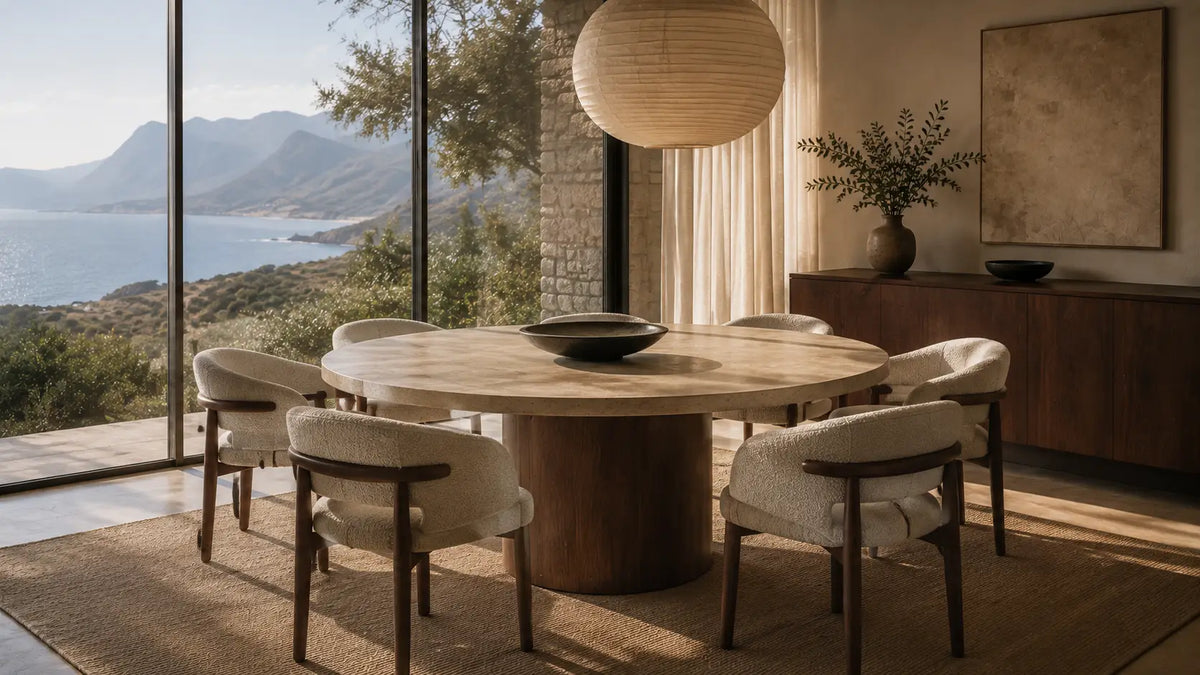
Second homes are disproportionately located in climates more extreme than a primary residence — coastal humidity and salt air, mountain dryness and altitude, or intense unfiltered sun through floor-to-ceiling glass in a vacation property built to showcase a view. Each of these accelerates wear on materials that would perform fine in a moderate primary-residence climate. Coastal humidity can affect unsealed wood and untreated metal hardware. Dry mountain air pulls moisture from solid wood, risking cracking in table tops without adequate acclimation and construction allowances. And sustained direct sun exposure — common in view-oriented second homes — fades and dries wood finishes faster than in a primary residence with more moderate light exposure.
Low-Maintenance Doesn't Mean Low-Quality
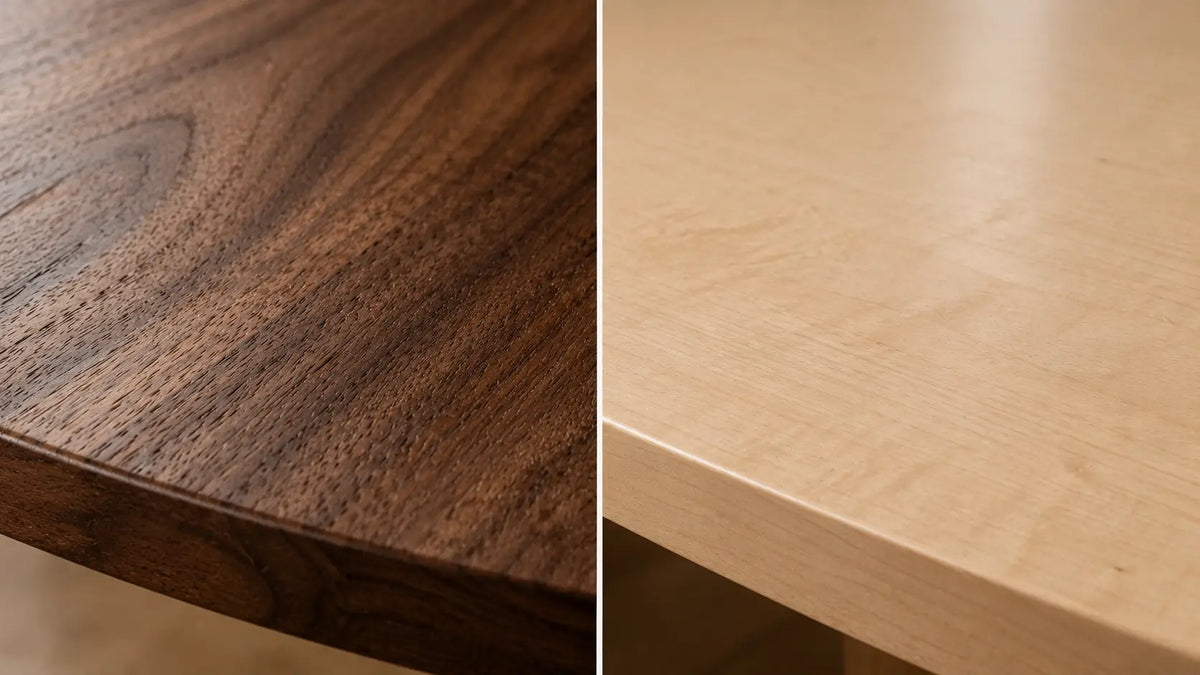
The material conclusion for most second homes is stone over wood at the tabletop, specifically because stone tolerates the unattended-for-months pattern far better than a wood finish that depends on periodic care. This is not a downgrade — a honed natural stone top is every bit as much a luxury specification as a fine wood top, and it happens to be the more rational choice for a property that isn't occupied daily. Where wood is still preferred aesthetically, specifying a more robust factory-applied finish rather than an oil finish that depends on owner maintenance is the right tradeoff for a second home.
Delivery and Installation Logistics
Remote and seasonal properties complicate delivery in ways a primary residence rarely does. Access windows may be limited to specific months if the property is only reachable by boat, ferry, or seasonal road. Local delivery contractors familiar with the specific property — its driveway, elevator, or dock access — are often more valuable than the studio's standard delivery process. This should be discussed explicitly during the commissioning conversation, well before the piece is built, so the delivery timeline is realistic rather than assumed.
Rental and Resale Considerations
If a second home is ever rented out, even occasionally, the table specification should account for use by people who won't treat it with an owner's care — favoring durable, easily-cleaned surfaces over anything requiring specialized maintenance knowledge. If the property is resale-conscious — bought with an eventual sale in mind — a highly personal or unusual specification is a bigger risk in a second home than a primary residence, since the next buyer is evaluating the property with less emotional investment. Timeless, broadly appealing specifications protect resale value better than a bold statement piece in this context.
Primary Home vs. Second Home — Specification Comparison
| Factor | Primary Home | Second Home |
|---|---|---|
| Maintenance rhythm | Daily, incidental | Infrequent, must tolerate neglect |
| Material priority | Wood or stone by preference | Stone or robust-finish wood favored |
| Climate exposure | Typically moderate | Often extreme — coastal, alpine, high-UV |
| Delivery logistics | Standard | May require seasonal windows, local contractors |
| Specification boldness | Personal preference can lead | Timeless choices protect resale/rental value |
- Favor materials that tolerate weeks or months of neglect between visits
- Account for the property's actual climate — humidity, dryness, or sun exposure
- Consider a more robust factory finish over an owner-maintained oil finish
- Discuss delivery access and seasonal windows before committing to a timeline
- If rental or resale is a possibility, favor durable, broadly appealing specifications
The right table for a second home isn't a compromise on quality. It's a different set of priorities, correctly identified before the order is placed.
Our studio regularly specifies tables and chairs for second homes across a range of climates, and adjusts material and finish recommendations accordingly. If you're commissioning a piece for a property you don't occupy year-round, our studio team is available to discuss the right specification directly.


Leave a comment
This site is protected by hCaptcha and the hCaptcha Privacy Policy and Terms of Service apply.